
Africa
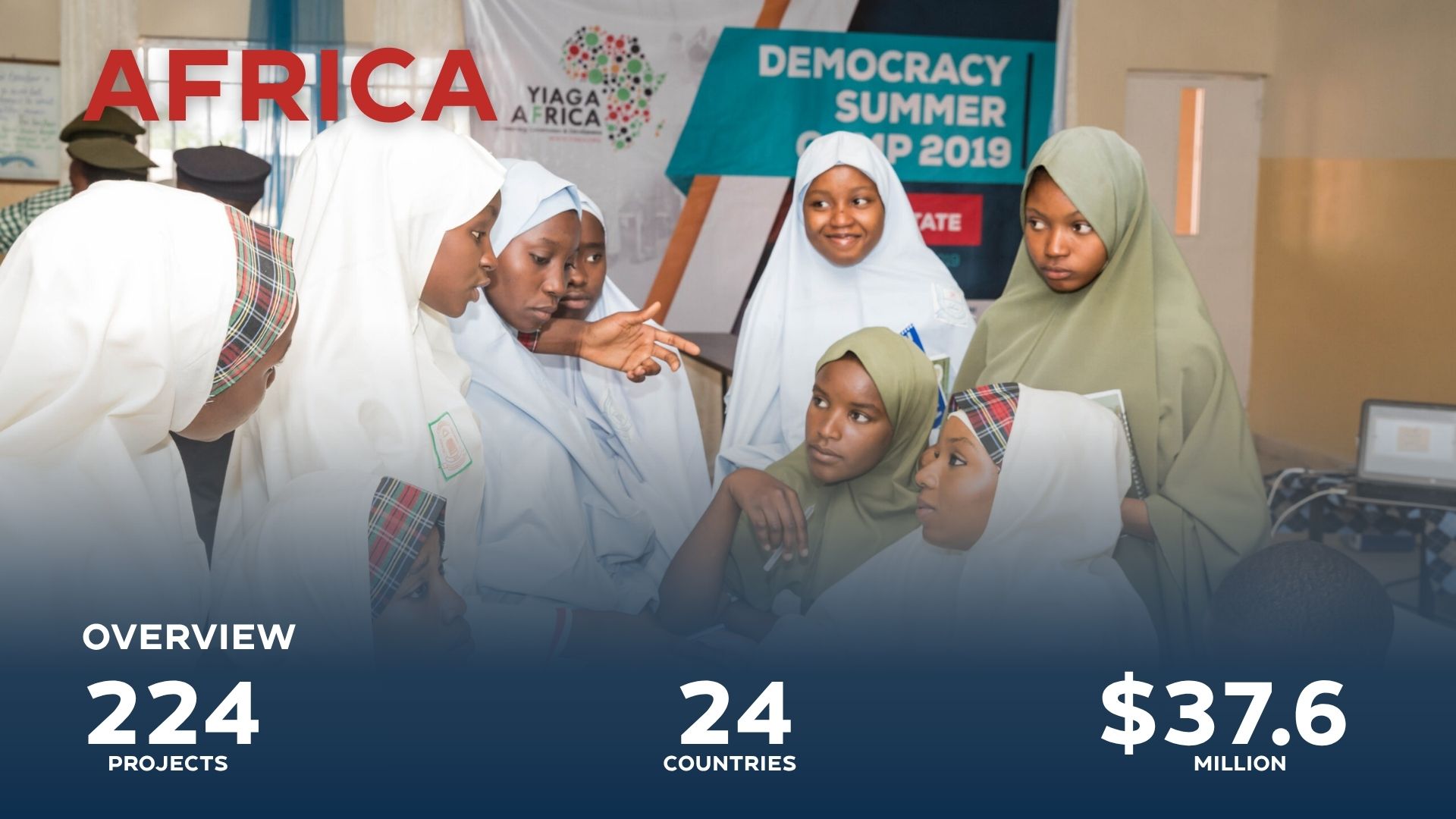
FY2025 Spending by Country | NED Active Grant Listing
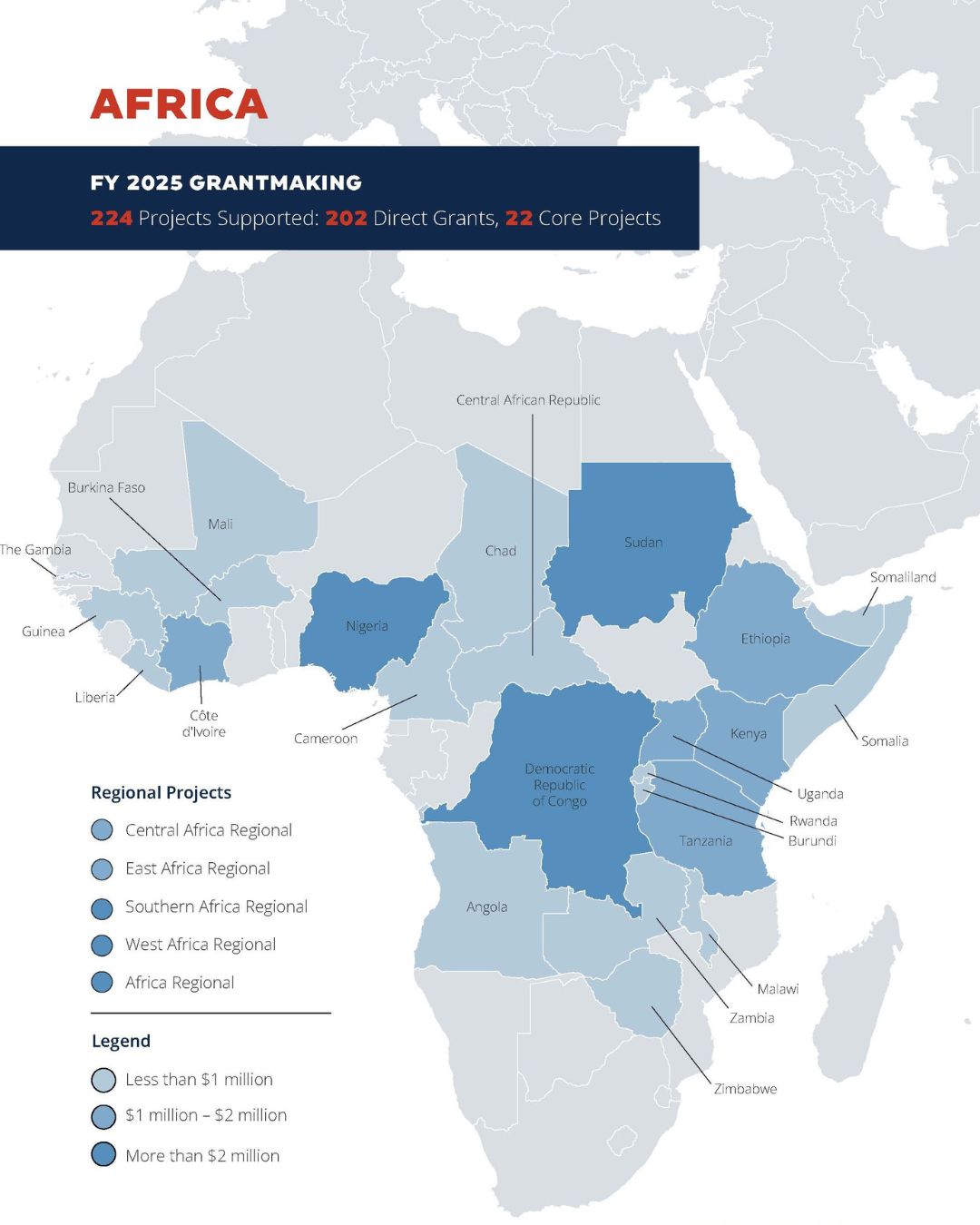
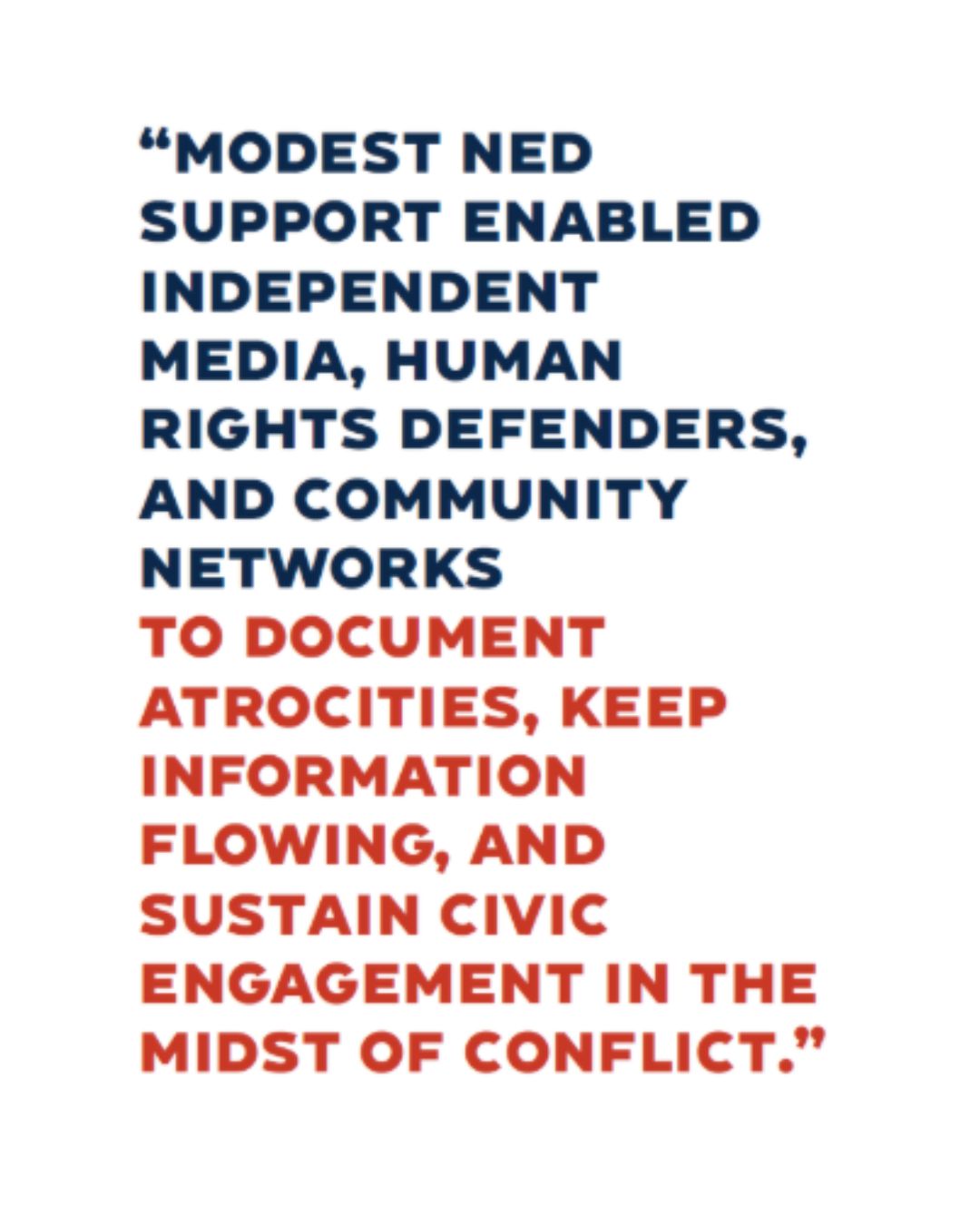
Across Africa in 2025, democratic development unfolded in complex terrain marked by political uncertainty, intense geopolitical competition, and persistent citizen mobilization around good governance. The most acute crises emerged where transitions collapsed. The brutal conflict in Sudan and Ethiopia’s post-conflict fragmentation left institutions in tatters, hundreds of thousands dead, and millions displaced. Modest NED support enabled independent media, human rights defenders, and community networks to document atrocities, keep information flowing, and sustain civic engagement in the midst of conflict.
In West Africa, citizens worked to expand freedoms, strengthen accountability, and cultivate a new generation of civic leaders, especially among Gen Z. Nigerian reformers strengthened legal protections for free expression and pushed for electoral reforms, while civic groups in Côte d’Ivoire expanded investigative reporting and trained emerging political leaders to reinvigorate democratic engagement. In the Sahel, despite a string of coups that deepened insecurity, citizens pressed for elections, defended rights, countered junta propaganda, and built regional solidarity.
In East and Southern Africa, democratic engagement persisted despite uneven reform and tightening civic space. In some countries, reform pathways opened gradually, allowing civic actors to push for greater accountability and transparency at the local level. Elsewhere, shrinking space and rising political pressure forced NED-supported partners to adapt, finding creative ways to defend core freedoms, sustain citizen participation, and keep civic voices alive under growing constraints.
Amid rising geopolitical competition, NED partners also confronted the ways authoritarian powers use corruption, security partnerships, and opaque investments to entrench and expand autocratic rule. Civic groups worked to expose foreign-backed propaganda, document mercenary abuses, and expand access to trusted information on government performance. In strategic sectors like infrastructure and critical minerals, partners demanded greater transparency and community oversight, challenging deals that bypass accountability and concentrate power in the hands of elites. These efforts reinforced democratic resilience and helped ensure that Africa’s resources and institutions serve its citizens, not external powers.
IMPACT SPOTLIGHT: CITIZEN OVERSIGHT EXPOSES MISUSE OF $700 MILLION IN PUBLIC FUNDS
Learn more
International Forum Report: Kleptocratic Cooperation in Africa
 Authoritarian actors play a crucial role in enabling kleptocracy across sub-Saharan Africa. A new report by NED’s International Forum for Democratic Studies highlights the ways in which global authoritarian powers—Russia and China—provide surge capacity to kleptocratic networks in Africa. The authors also identify critical steps to elevate civil society’s essential work in exposing and combating corruption.
Read the Report
Op-Ed: How Democracy Promotion Supports Critical Mineral Resilience
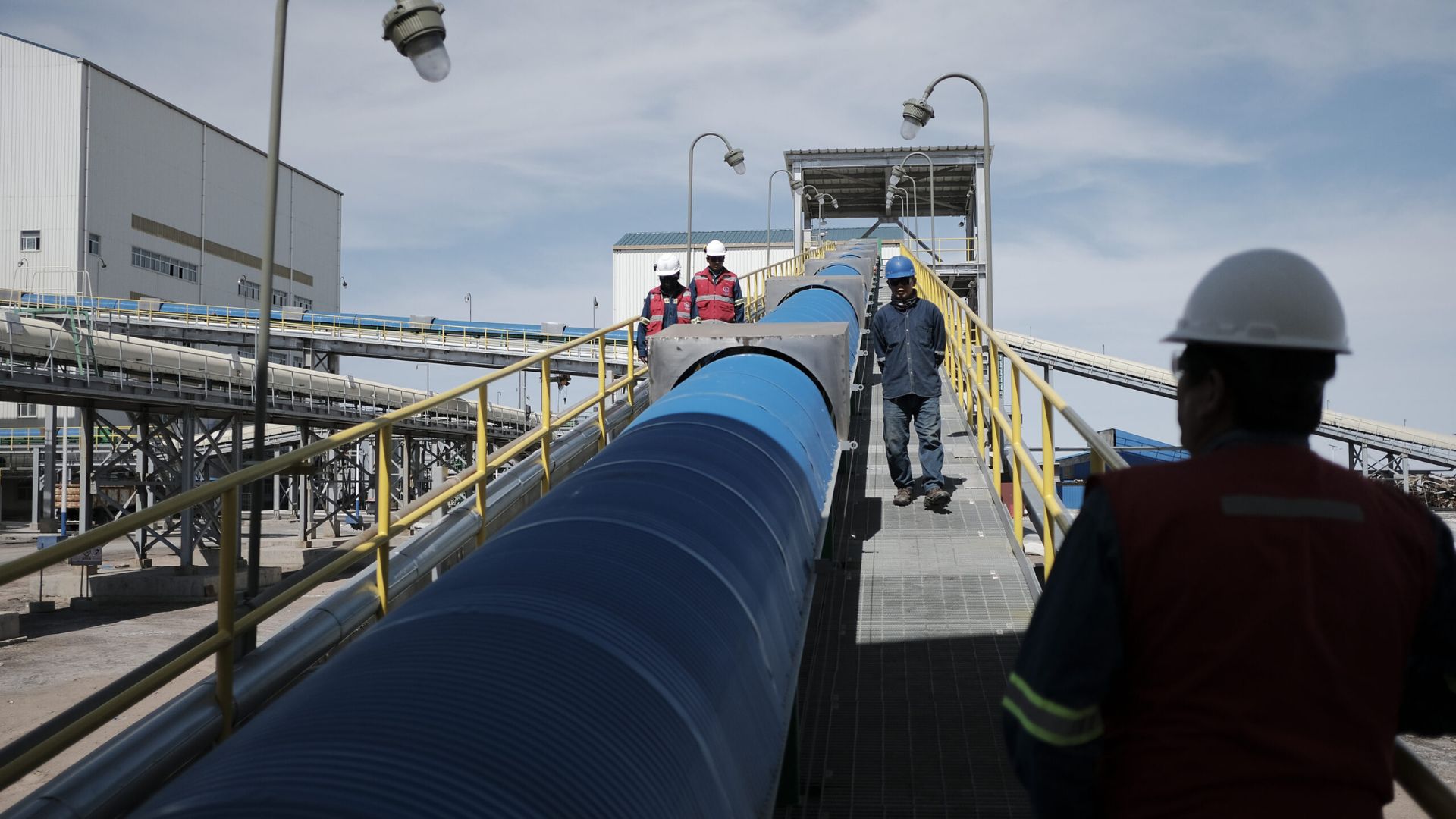 In the National Interest, Damon Wilson argues that supporting democracy and self-governance abroad is a practical, low-cost way for the United States to reinforce its supply chain strategy and reduce risk. Across Africa and Latin America, civic leaders supported by NED have pushed for greater oversight in strategic sectors such as infrastructure and mining, strengthening accountability and limiting elite capture.
Learn More
Apply For Grant
Apply Now
1201 Pennsylvania Ave, NW, Suite 1100, Washington, DC 20004