
Asia
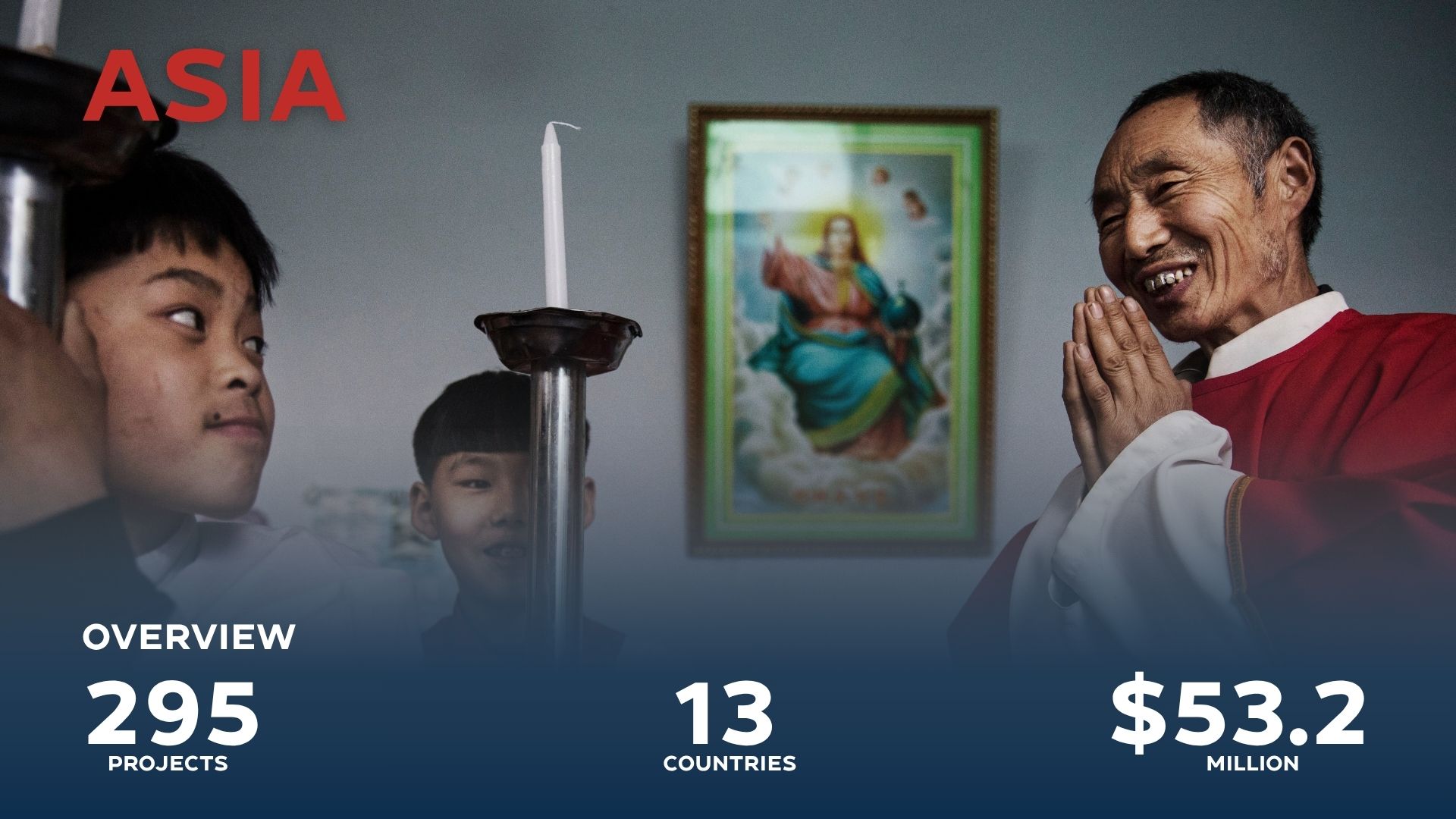
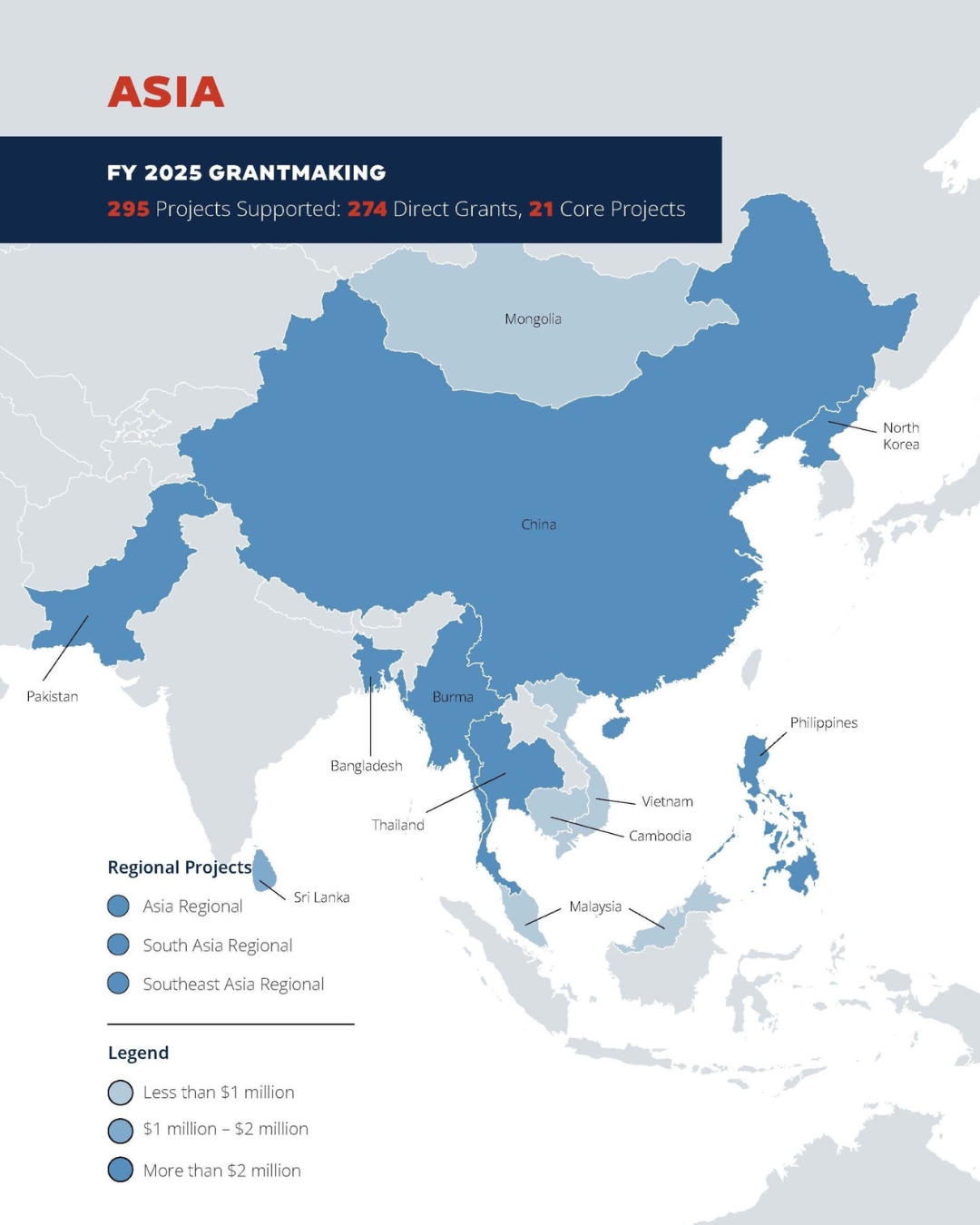
FY2025 Spending by Country | NED Active Grant Listing
A wave of civic mobilizations across Asia has emerged as one of the most dynamic developments for democracy in recent years, pushing back against authoritarianism through people-powered movements, public campaigns, and grassroots civic initiatives. In Nepal, Sri Lanka, and Bangladesh, these movements created the opportunity for a return to electoral politics that reflect the will of the people. In other parts of the region, including Thailand and the Philippines, NED and its Core Institutes are supporting efforts to increase participation in the political process and channel demands for change through democratic means, including elections.
IMPACT SPOTLIGHT: Financial Innovation Links Capital to Good Governance
In the wake of Sri Lanka’s debt crisis, Verité Research brought a groundbreaking “G-Bond” to market—a governance-linked sovereign bond that ties the country’s borrowing costs to concrete improvements in transparency, anti-corruption safeguards, and democratic governance. If the Sri Lankan government meets measurable reform benchmarks, its interest rate is reduced, creating a powerful financial incentive for better governance. This positive-sum model aligns market incentives with democratic outcomes, offering a model that could be scaled to other countries seeking to strengthen governance outcomes through market-based financial products.
CONTINGENCY FUND SPOTLIGHT: Catalyzing Bangladesh’s Civic Renewal
When Sheikh Hasina’s government collapsed in 2024 following mass peaceful demonstrations, Bangladesh entered a volatile transition marked by uncertainty and a need for rights-respecting leadership, trusted information, and a roadmap to credible elections. Because NED’s model is built for speed—small grants, trusted networks, and flexible support—our civil society partners were able to respond immediately: monitoring the transition, shaping public debate, assessing economic impacts, and engaging citizens in dialogue about a more open political future.
With rapid response funding, NED supported frontline groups documenting human rights violations, safeguarding forensic data from the student protests, and ensuring independent information reached citizens. Partners convened business leaders, political actors, local organizers, and religious minorities to discuss reforms, strengthen community cohesion, and build consensus around a democratic path forward. Independent media and think tanks provided real-time analysis and evidence-based policy recommendations to domestic and international decision-makers, proposing thoughtful solutions at a critical moment.
At a moment when the country’s direction hung in the balance, NED’s support helped empower Bangladeshi citizens to steer the early phase of democratic renewal. Today, these efforts are laying the groundwork needed to hold free and credible elections in 2026.
ResEarch and Analysis
Report: Data-Centric Authoritarianism: How China’s Development of Frontier Technologies Could Globalize Repression
 A new Forum report authored by Valentin Weber examines four key data-centric technologies that could strengthen Beijing’s tech-enabled authoritarian governance model and outlines seven critical steps democracies and civil society must take to safeguard a more democratic digital future.
Learn More
Event: China Salon on Emergent Digital Repression : How the PRC is Using AI to Censor, Surveil, and Troll
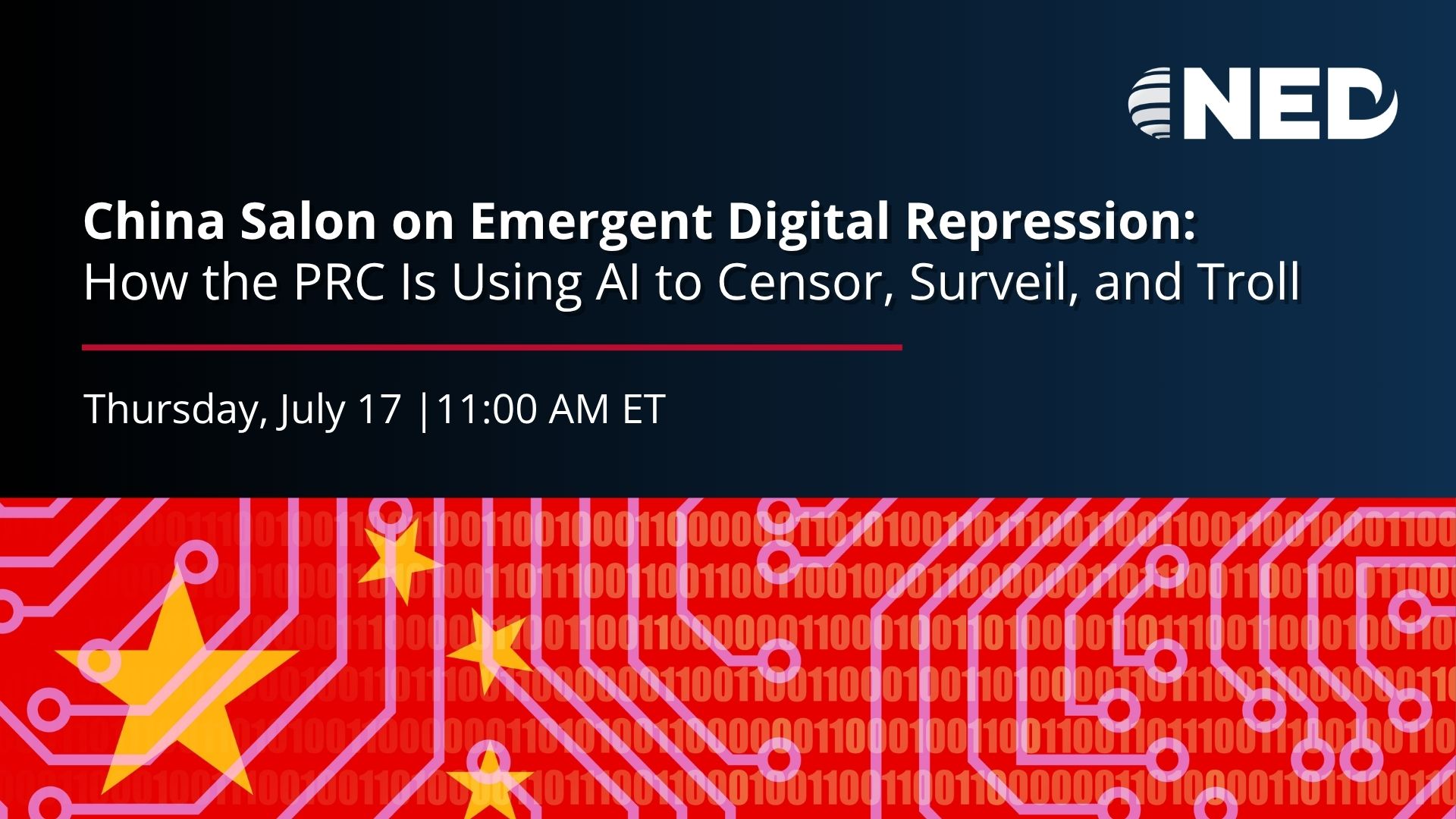 China Digital Times founder and editor-in-chief Xiao Qiang and the Special Competitive Studies Project’s David Lin examine how large language models (LLMs) and other advanced AI developments fit into the PRC’s broader system of digital repression and global influence.
Learn More
Event: Beyond Propaganda: Proof of Tibet’s Historical Sovereignty
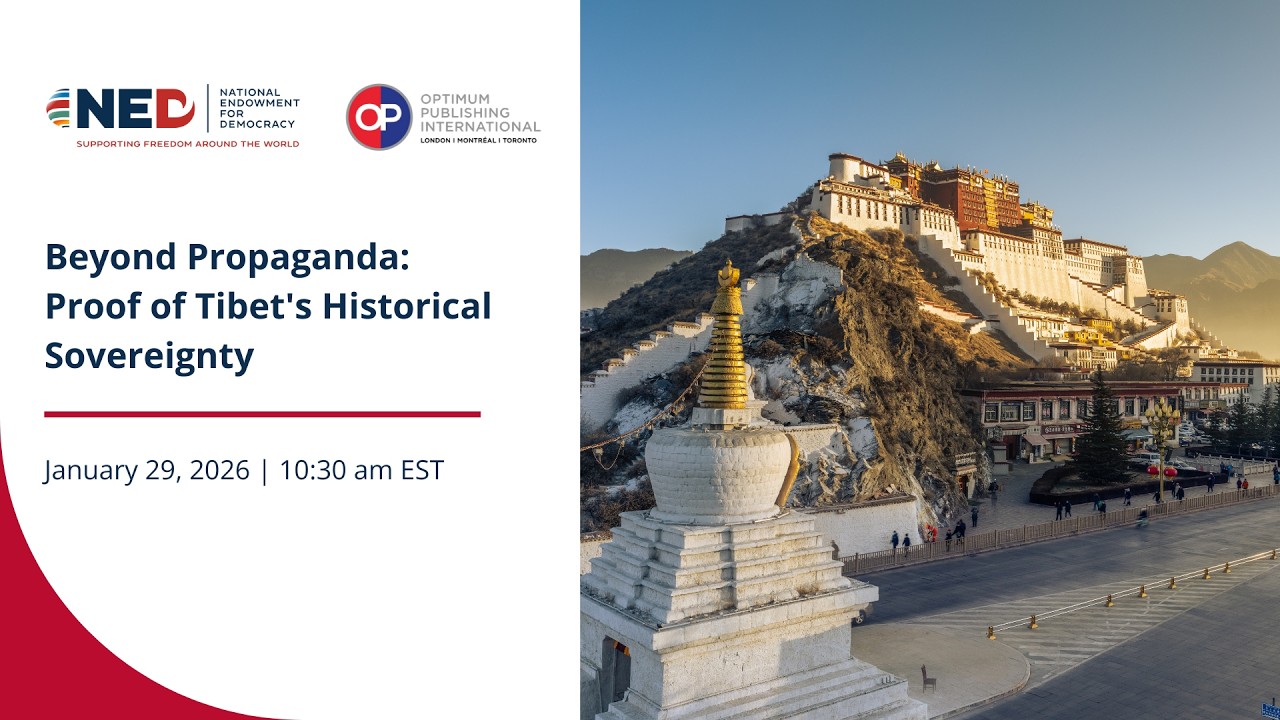 Across Tibet, the CCP is waging a sustained campaign of cultural and religious erasure—seeking to control belief, silence identity, and rewrite history to legitimize repression. NED hosted the launch of Professor Hon-Shiang Lau’s book, Tibet Was Never Part of China Since Antiquity, which draws on Chinese primary sources to challenge Beijing’s claims over Tibet. Moderated by Josh Rogin of The Washington Post, the event featured remarks by Sikyong Penpa Tsering, Professor Lau, and former U.S. Ambassador-at-Large for International Religious Freedom Sam Brownback.
Learn More
2025 Democracy Awards: Honoring Champions of Freedom
 NED’s 2025 Democracy Awards honored the courage of individuals and organizations standing up to repression by the Chinese Communist Party. China Digital Times was recognized for documenting the Chinese people’s struggle for freedom, and the Campaign for Uyghurs for its advocacy on behalf of persecuted Uyghur and Muslim communities. Democracy Service Medals were also presented to Pastor Wang Yi, imprisoned for leading his house church, and Gedhun Choekyi Nyima, the 11th Panchen Lama, who was abducted as a child after being recognized by the Dalai Lama.
Learn More
Apply For Grant
Apply Now
1201 Pennsylvania Ave, NW, Suite 1100, Washington, DC 20004